

Home energy systems
Can you have an EV with a house battery?
Yes, and in many homes the combination works well. The key is understanding energy priorities, inverter limits, and how your charger is configured.
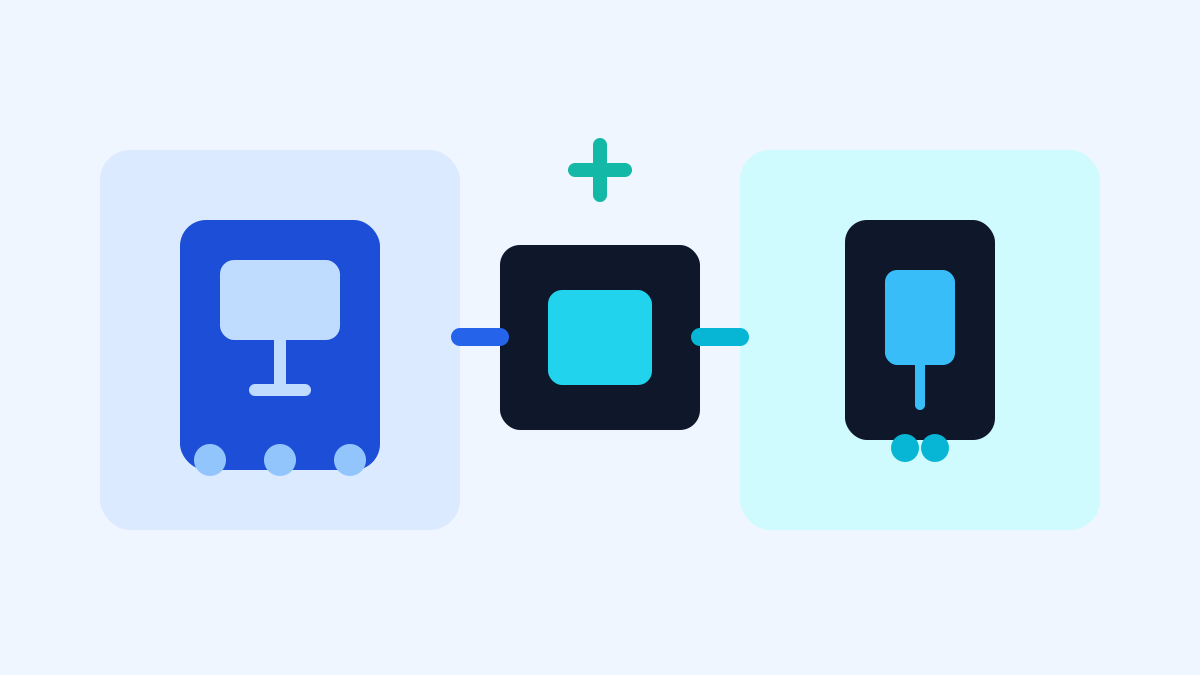
How EV charging and home batteries interact
A house battery can support EV charging when solar is low, but its stored energy and discharge rate may be limited. Depending on system settings, your battery may prioritise household loads first, then EV charging, or vice versa.
Example: an evening top-up might pull from your battery first, then blend in grid power once your reserve threshold is reached.
What to check before relying on battery support
- Battery usable capacity versus your typical EV top-up amount.
- Maximum inverter output and whether it can sustain charger demand.
- Energy management settings that define load priority.
- Backup reserve level so you don't drain critical household storage.
Example: a 10 kWh battery with a 20% reserve keeps around 8 kWh usable, which may only cover part of a larger EV recharge session.
A balanced strategy
Most households do best with a mixed approach: capture daytime solar first, use battery support when sensible, and top up from off-peak grid rates when needed. This keeps costs predictable and protects battery life.
Example: prioritise solar in daytime, protect a minimum backup reserve overnight, and allow cheap grid top-ups before long-distance travel days.
Need a charging rhythm? Read how often to charge your EV.